Design Matters: What I Learned Reviewing Student Portfolios at FIU
There are not many opportunities in life to give back what you’ve learned.
I recently had the chance to participate as a portfolio reviewer at an event organized by The One Club For Creativity Miami, working with graphic design students from Florida International University (FIU) in Miami. What I expected to be a simple review session quickly turned into something much more meaningful.
ℹ️NOTE: Students…don’t skip this. I encourage you to read all the way to the end, and I’d love to hear your thoughts in the comments as well.
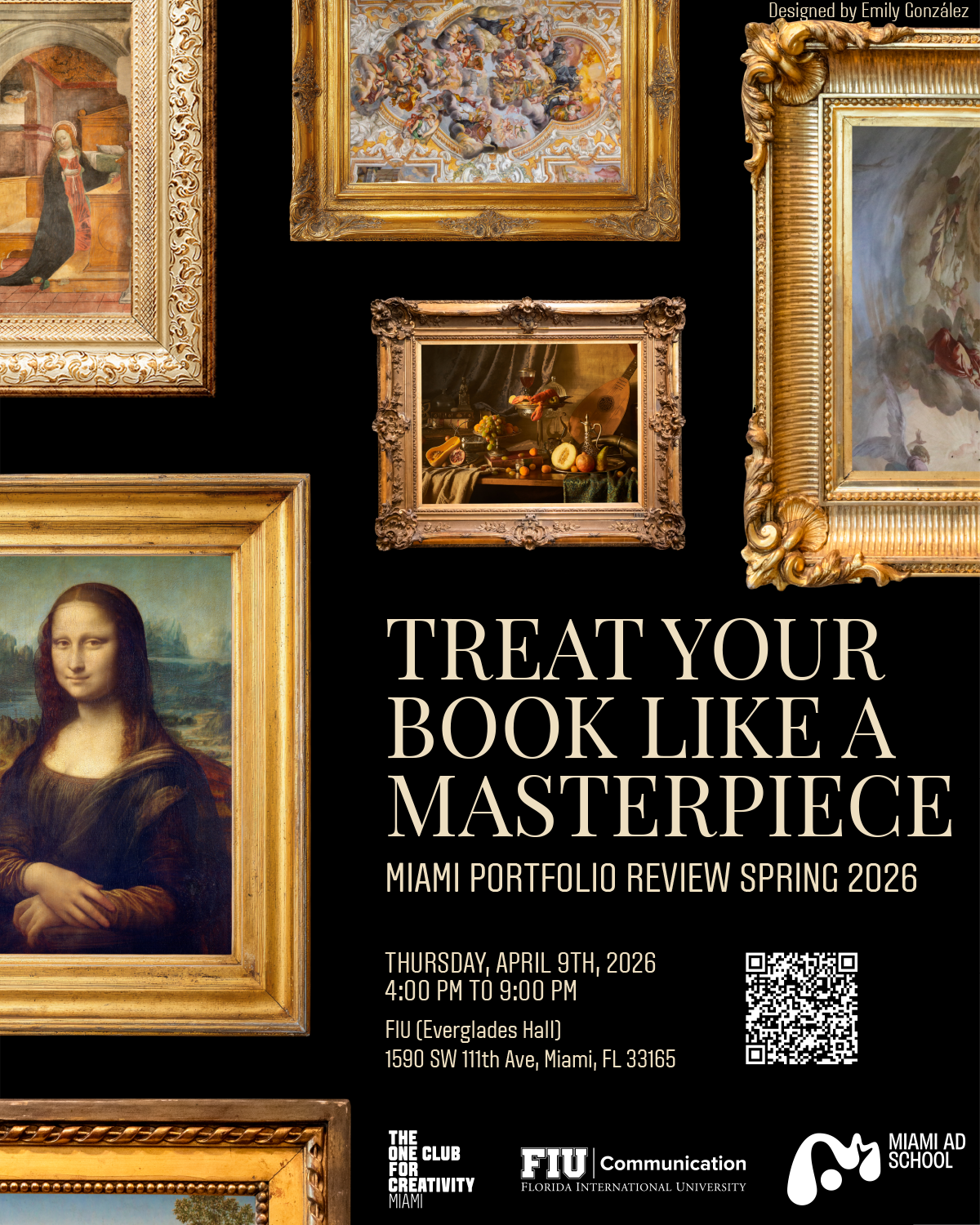
Art direction by: Emily González
Most students understand one thing very clearly: they need a portfolio. What they don’t understand is how to build one. And that gap is bigger than it seems. During the reviews, I kept seeing the same patterns over and over again: no personal domain, no clear visual identity, no defined color system, no typographic hierarchy, and projects shown as final pieces with no process behind them. Students are not lacking talent. They are lacking direction.
One of the most important things I shared with them is this: your portfolio is not a place to display work. It is a tool to communicate how you think. They focus on the outcome, but skip the reasoning. They show the interface, but not the decisions behind it.
A recurring recommendation I gave was simple: go back to the fundamentals. Web design principles, UX/UI foundations, structure and hierarchy. When you understand these, your portfolio stops being a collection of pieces and starts becoming a coherent experience.
If there’s one thing I would insist on, it’s this: show your thinking. Break down your projects:
What was the problem?
What did you try?
What didn’t work?
How did you arrive at the final solution?
Take a simple example: a poster. Instead of just showing the final design, place it in real-world mockups, show variations, or animate it. Now you’re not just showing a design. You’re showing adaptability, thinking, and intention.
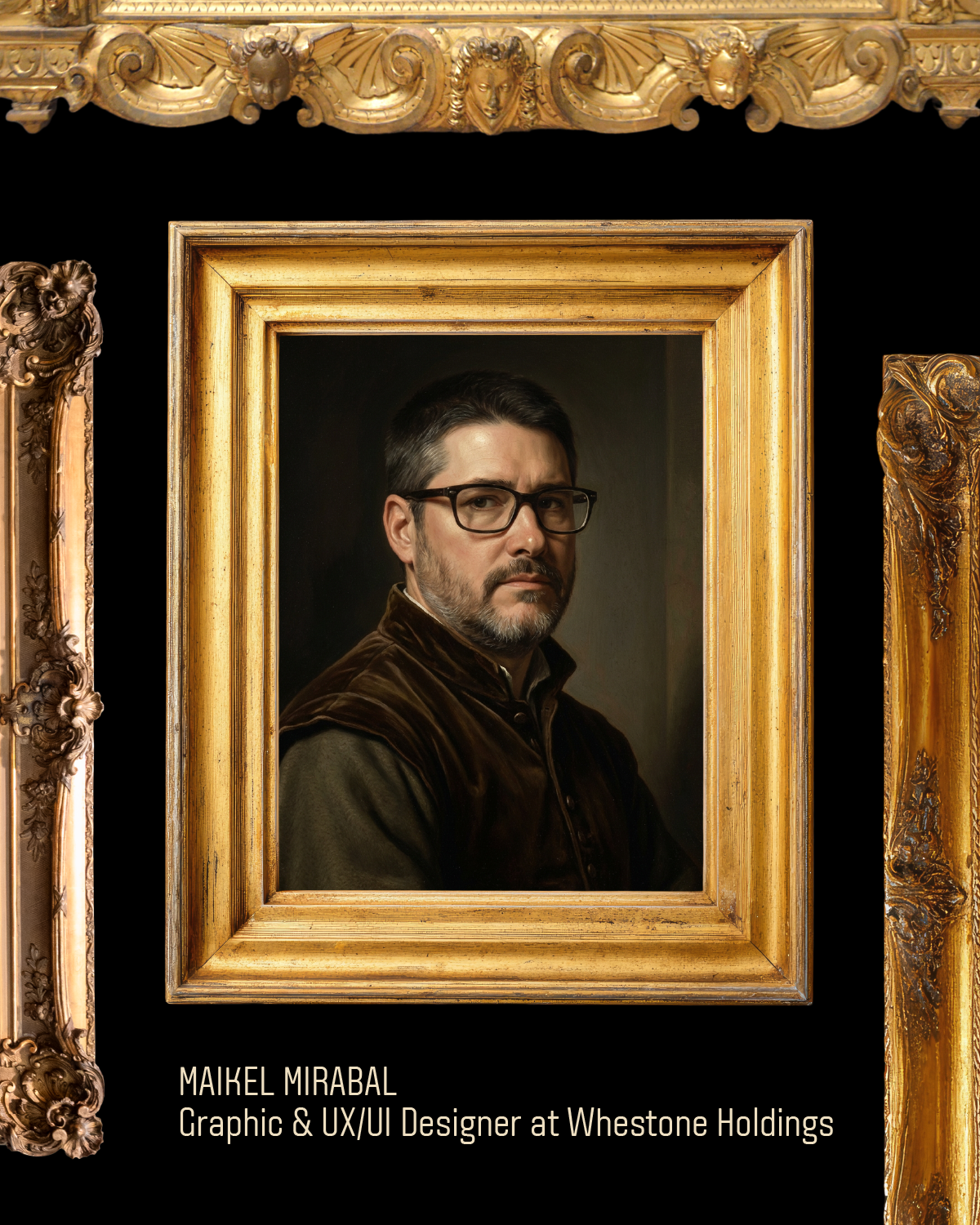
Spaces like this are necessary. They create a bridge between students and the real world. The One Club for Creativity is doing something truly valuable here. Thank you Albena Petrus and the rest of the team for the opportunity.
If I’m invited again, I’ll be there. 🚀
After the event, I decided to extend the conversation by writing a guide to help students build their portfolios with intention.