The Language of Flowers and the Art of Reinvention: My Encounter with Lauren Hom at Config 2026
Just a few days after returning from San Francisco for Config 2026, I’m still processing the massive download of creative energy. Not long ago, I wrote about my impressions, making it clear that design is far from dead. On the contrary, it’s more revitalized than ever, drawing inspiration from the most unexpected angles and human perspectives.
But today, I don’t want to talk about software or trends. I want to talk about a presentation that completely shattered my expectations and, on a deeply personal level, reignited my unconditional romance with graphic design.
As designers, we are trained in the practice of perception. We are vessels capable of absorbing our surroundings to transform and multiply them across any format or visual platform. Among the vast array of topics offered at Config, one title in the catalog instantly caught my eye: “Managing multiple creative passions in a world that tells you to specialize” by Lauren Hom. Something told me to make it a priority. I arrived just in time.
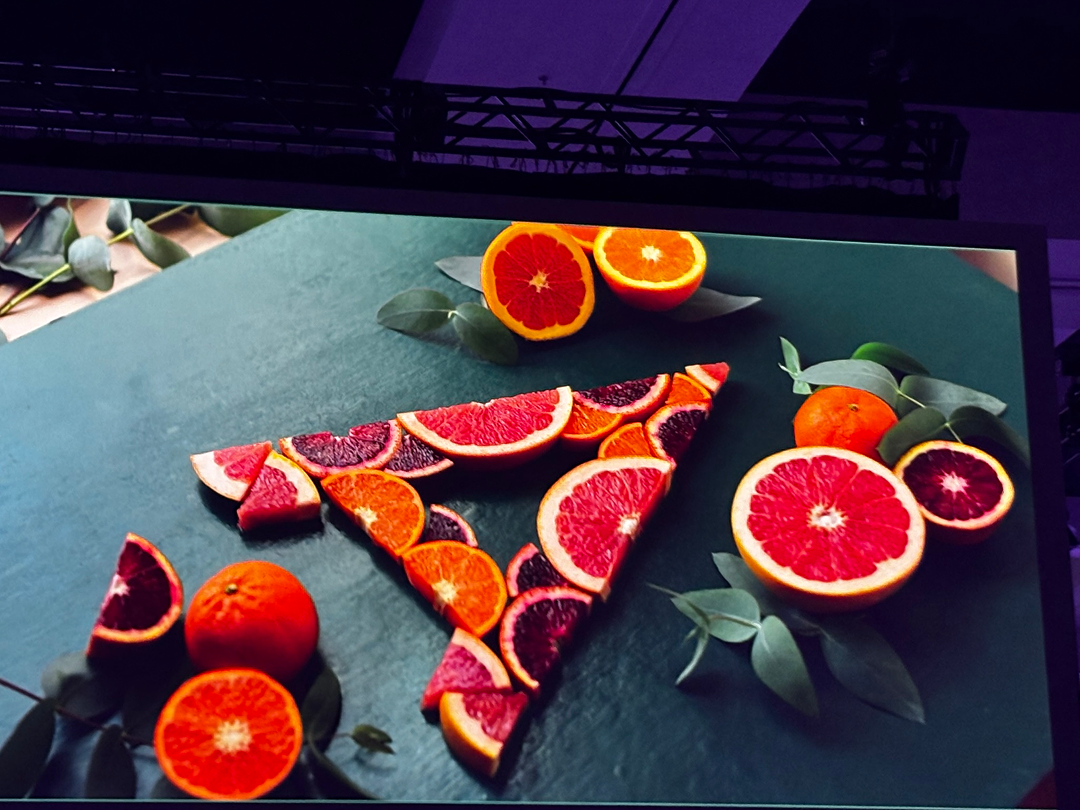
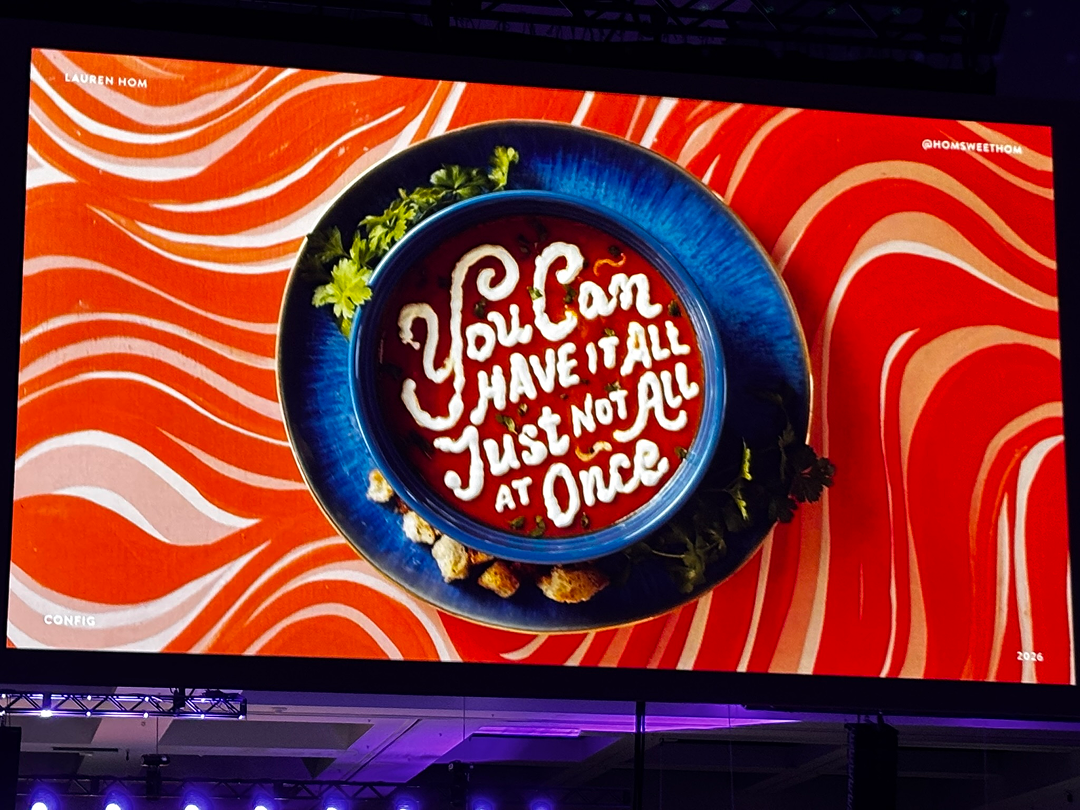
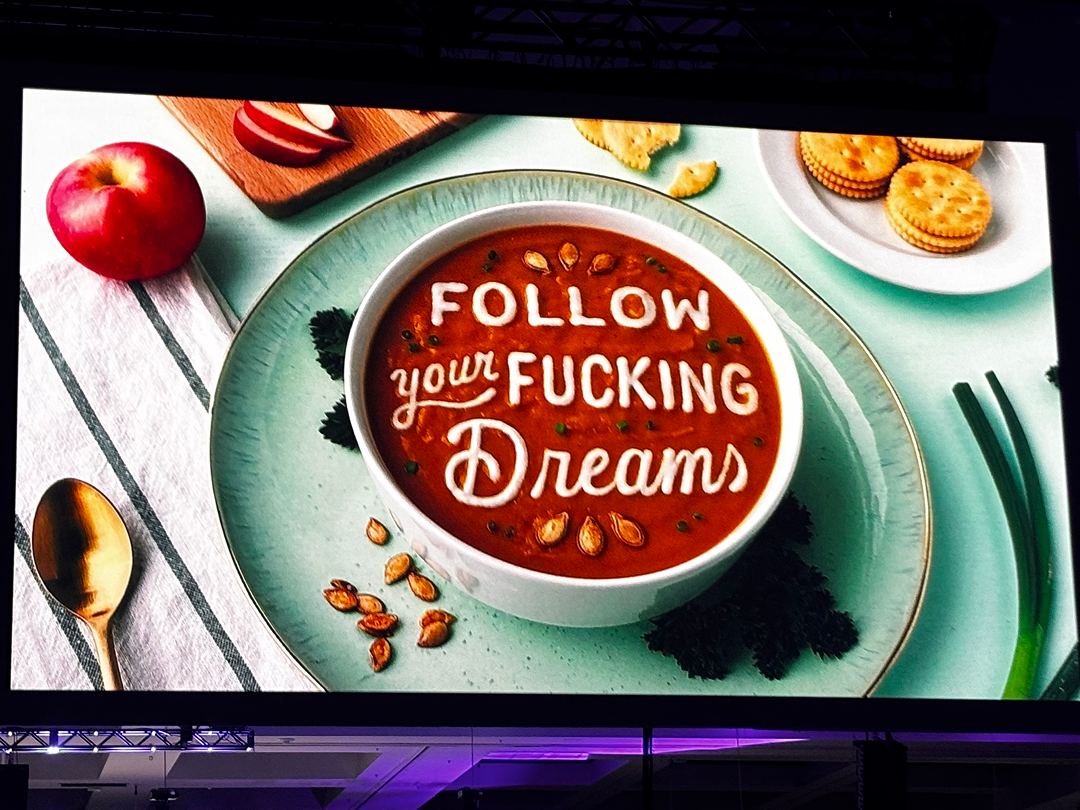
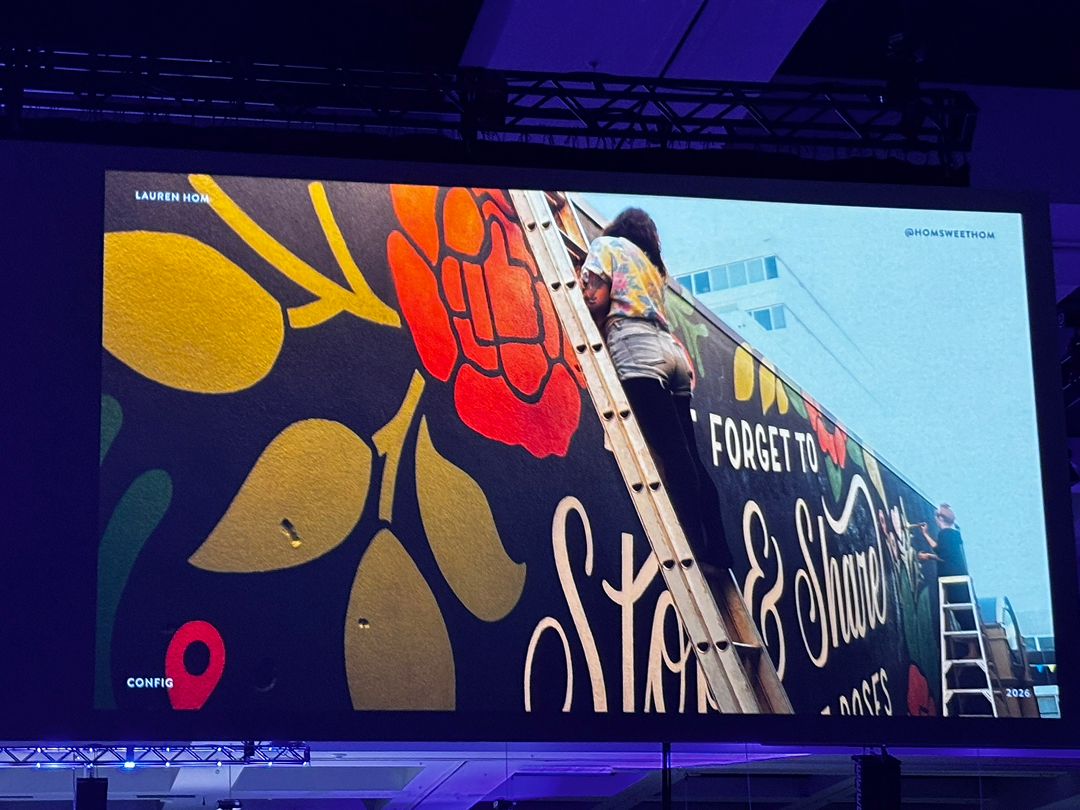
On stage, a poised, steady voice began to weave a life story. It was Lauren Hom. I deeply appreciated that opening; context and vulnerability always add personality to genius. Little by little, Lauren pulled the audience into her creative process and her knack for reinvention. When she projected images of her culinary work—where she brilliantly crosses the line between design and cooking—something inside me clicked instantly.
As I listened, I was left speechless. I was deeply moved. It left me with the distinct taste of someone who truly believes in themselves and creates from their own strength, optimism, and perseverance. Her work reminded me of the beauty of a free stroke, of excuse-free creativity, and that ultimate truth: if today was a bad day, tomorrow the canvas is clean, offering a unique opportunity to come back and try again.
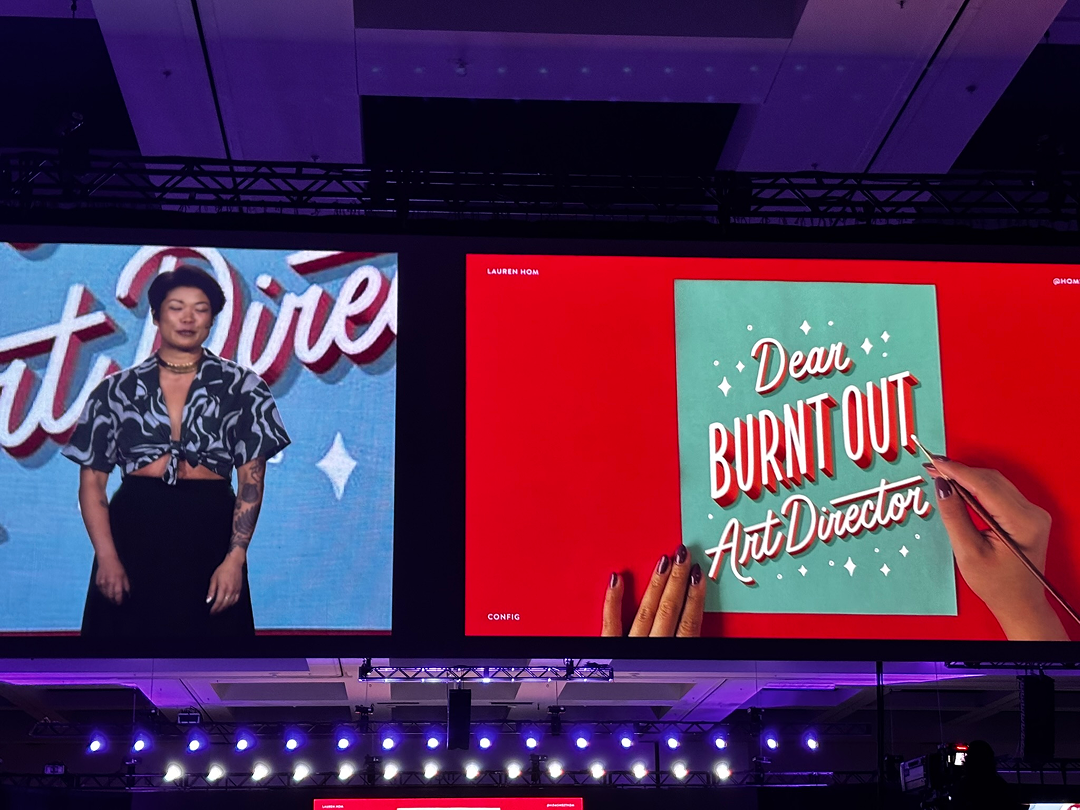
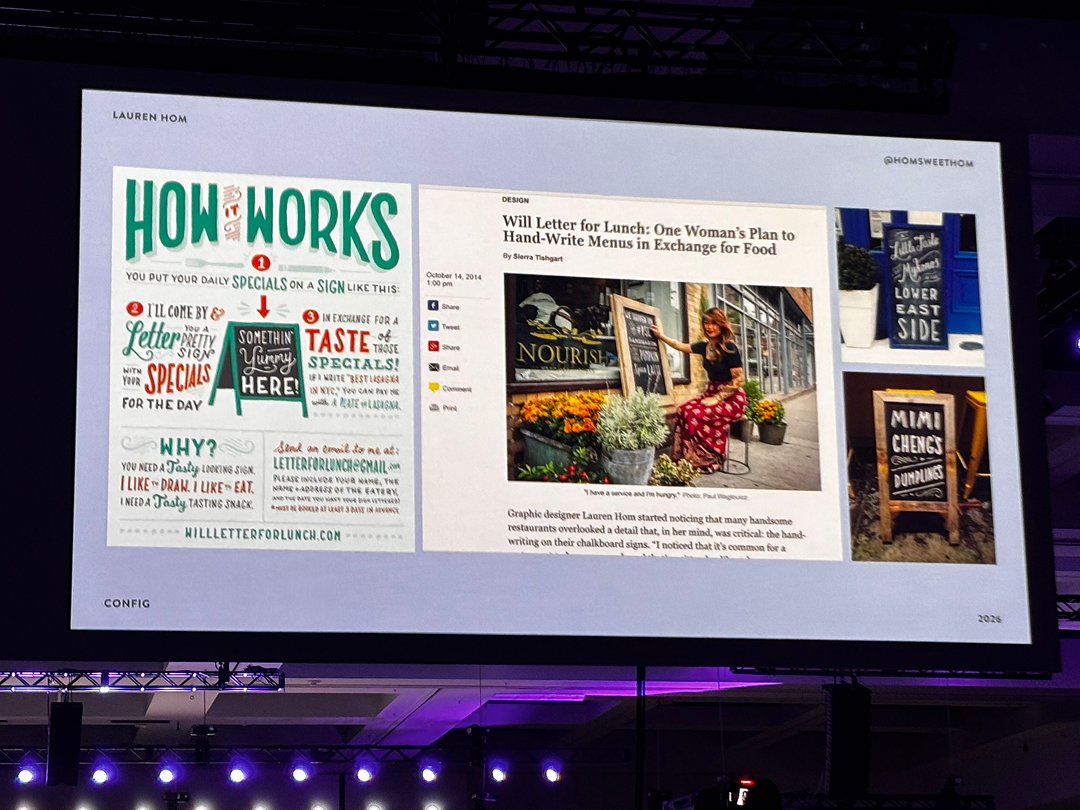
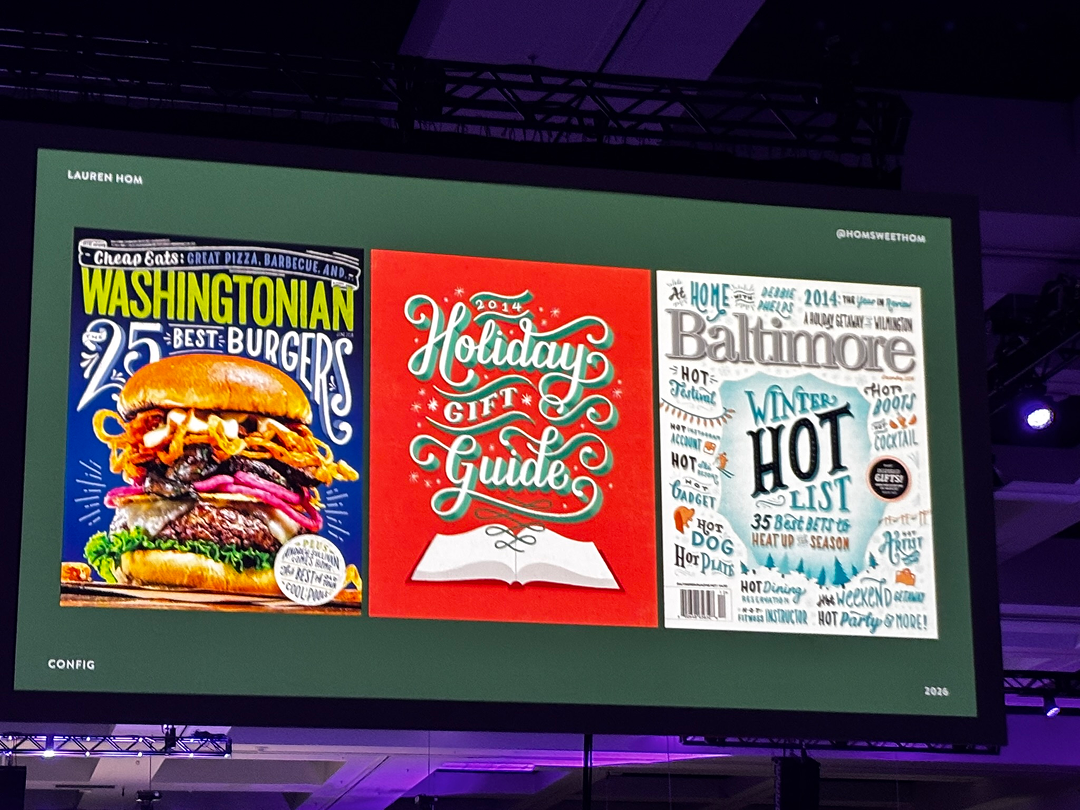
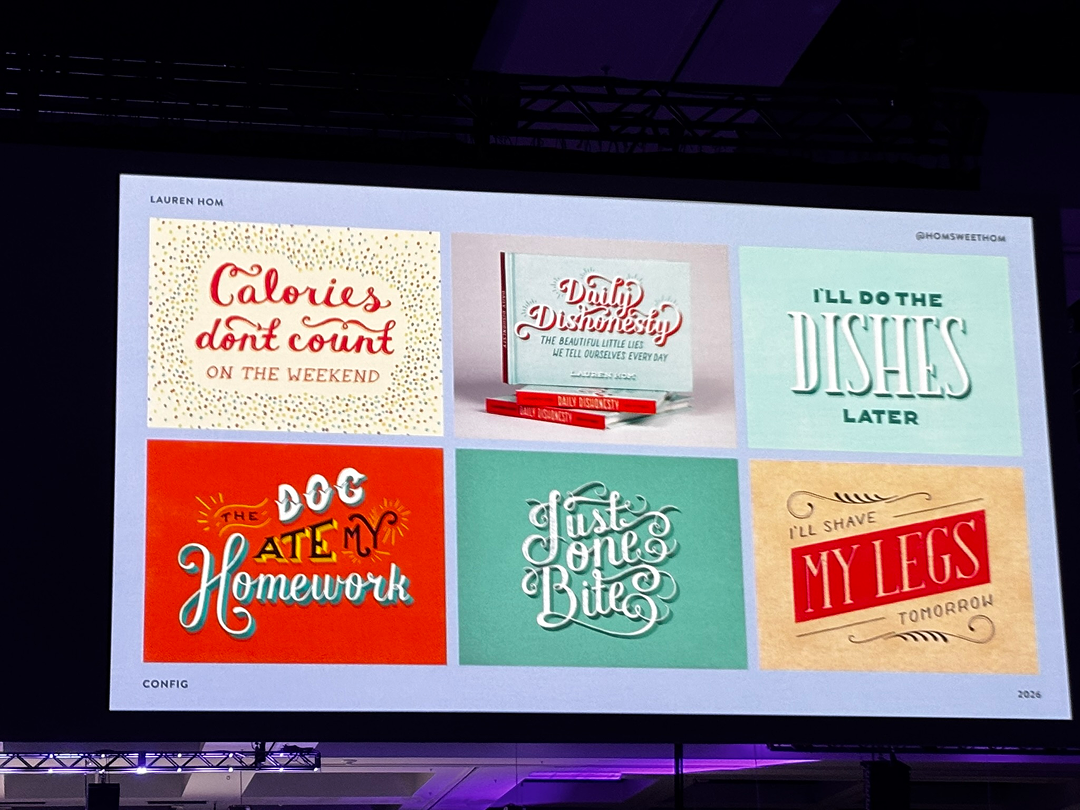
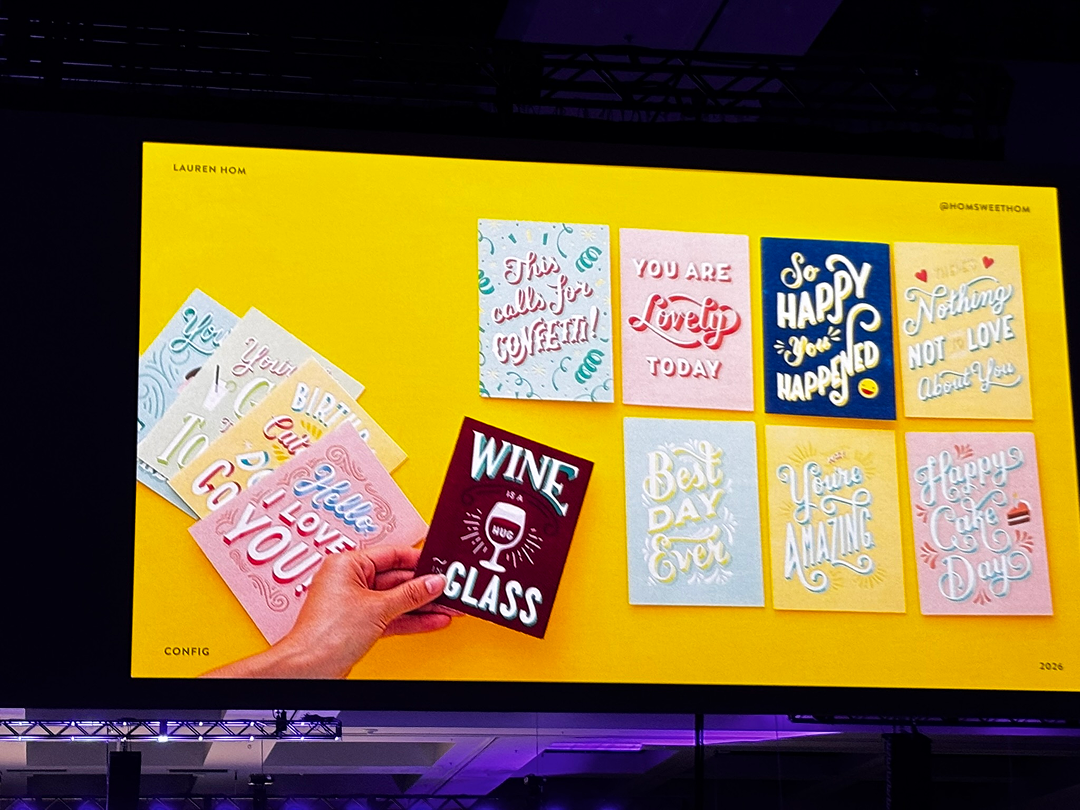
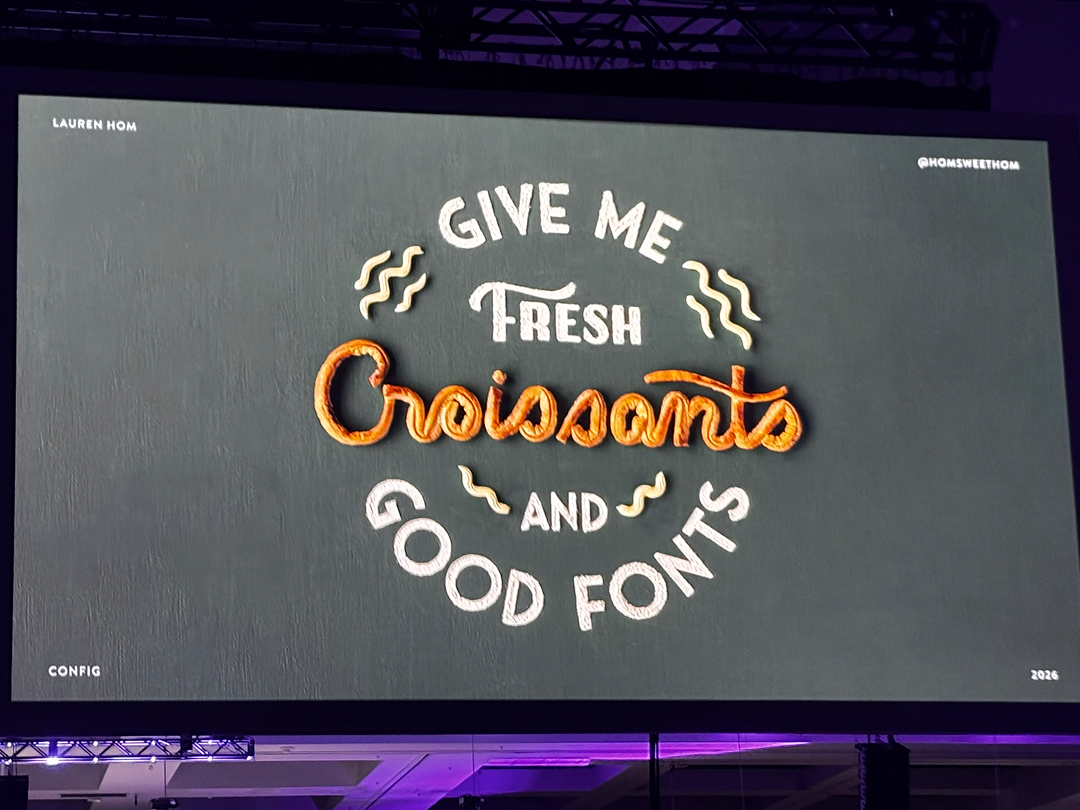
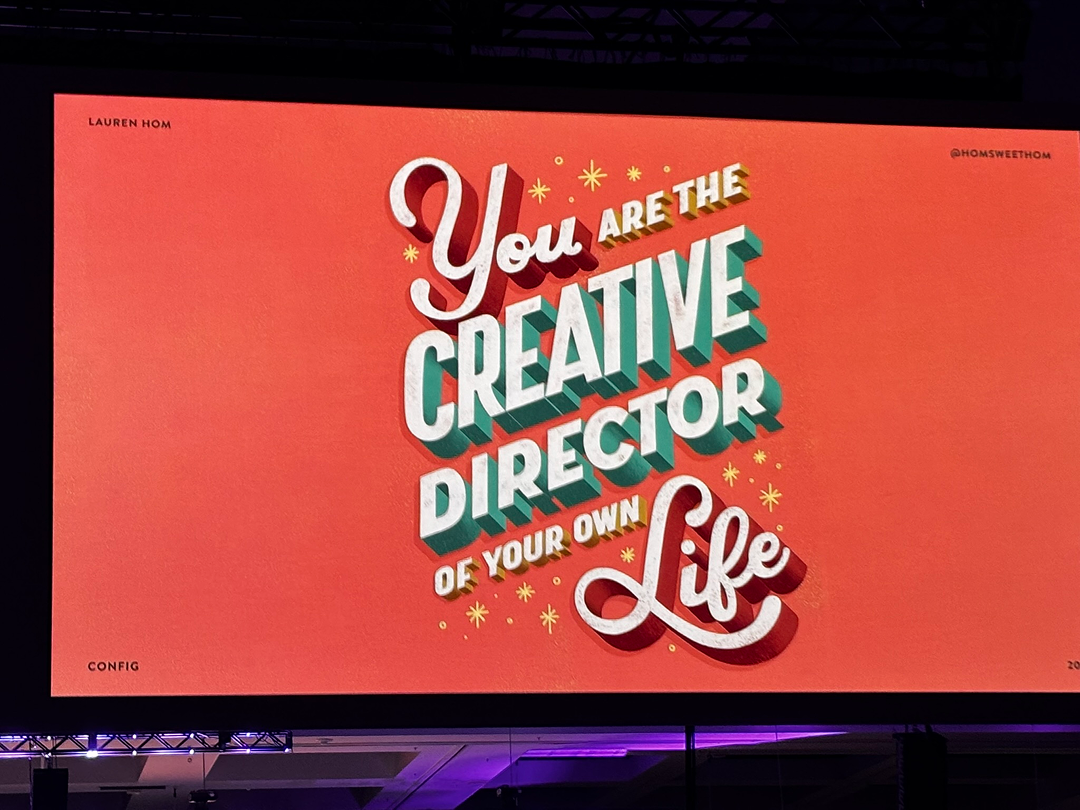
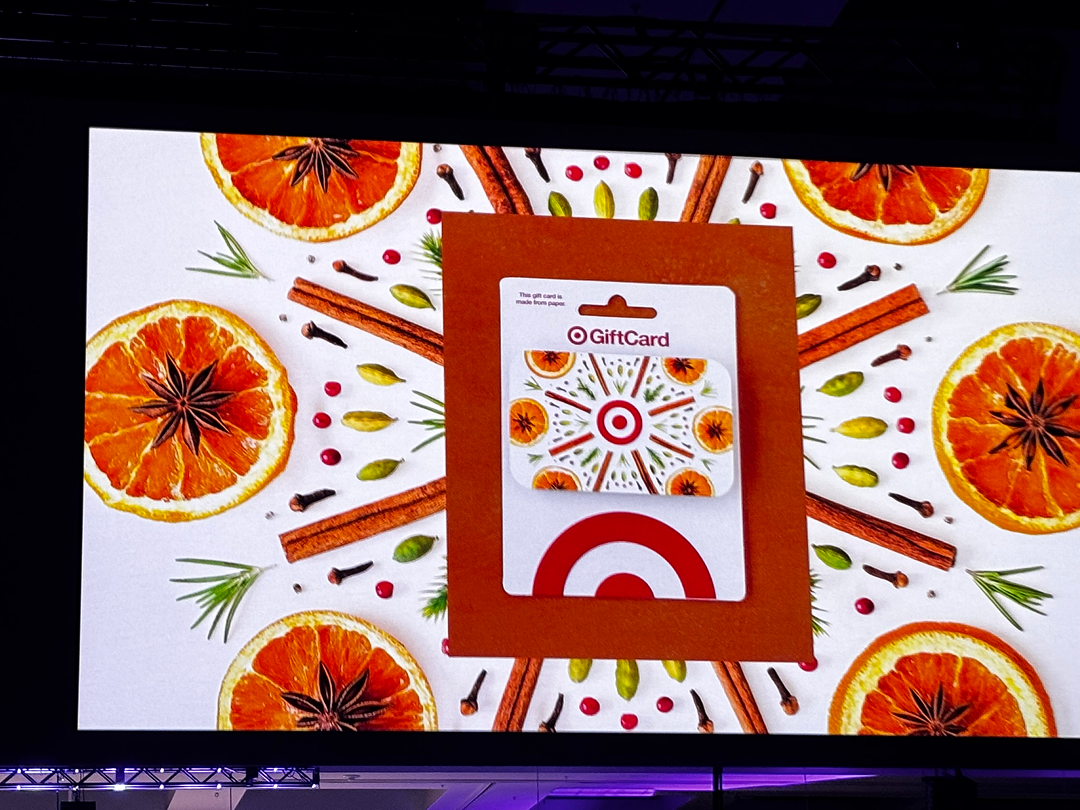
As I left the room, life gifted me a coincidence: I ran into her walking down the hallway. I greeted her with an effulsiveness that just welled up from my chest. I don’t know why—maybe it’s that inevitable pride for one’s homeland we carry with us—but I told her I was Cuban and that I had studied graphic design in Cuba. I didn’t hesitate to praise her presentation and her overall work. Visibly flattered, she smiled warmly and took the time to listen closely to what I had to say, thanking me several times. It was a brief but deeply moving exchange. Rarely do you get to thank someone firsthand for the vitality they give you from a stage. Being grateful makes us better.
As I walked away, Lauren’s presentation kept echoing in my mind, inevitably transporting me back to my own beginnings as an immigrant in this country. Her blend of the culinary and the visual was the perfect mirror for my years in the floral industry.
From Typography to Petals: My Roots in the Floral Industry
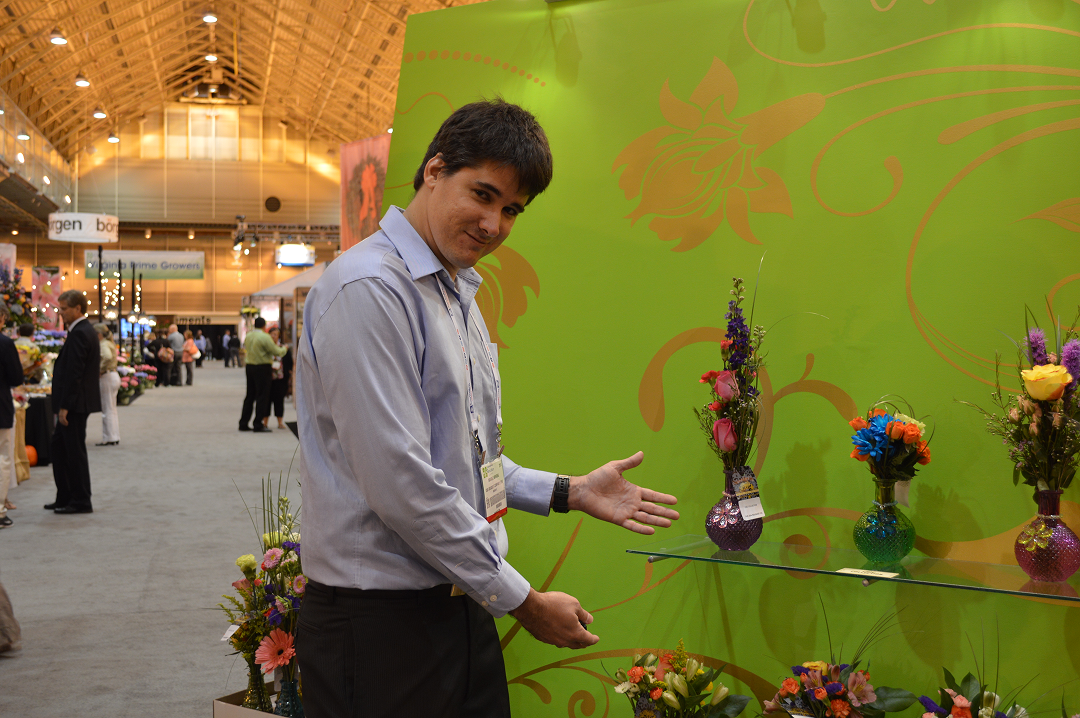
For those who don’t know my story, after moving to the United States, my first big break to get into the graphic design world was in South Florida's floral industry. It’s a sector with immense economic power, but back then, its advertising and marketing were incredibly weak. Visual stereotypes were recycled like soda cans, and the monotony of "plain text over a photo" took over every catalog.
Faced with that monotony, I decided to dive straight into the energy of the product. I understood that a graphic designer is merely an instrument, a translator who must learn to listen to the raw material to generate the most effective message possible. Just like Lauren does with food, I learned to "strip down" the product, to unpack the flower to understand its soul, and then expose it from a completely fresh perspective—sometimes through print, sometimes through visual installations, and other times crossing both worlds.
My day-to-day was a fascinating, chaotic ecosystem. I worked surrounded by buckets of water and fresh flowers. My routine shifted constantly between meetings to discuss the composition of a floral recipe, fast-tracking seasonal collections (which, believe me, are a lot), and managing a library of thousands of images. I photographed every single flower required, whether in arrangements or in bulk. Then, I would directly operate the Konica Minolta Bizhub 300 to print the catalogs and brochures the sales team needed on the field.
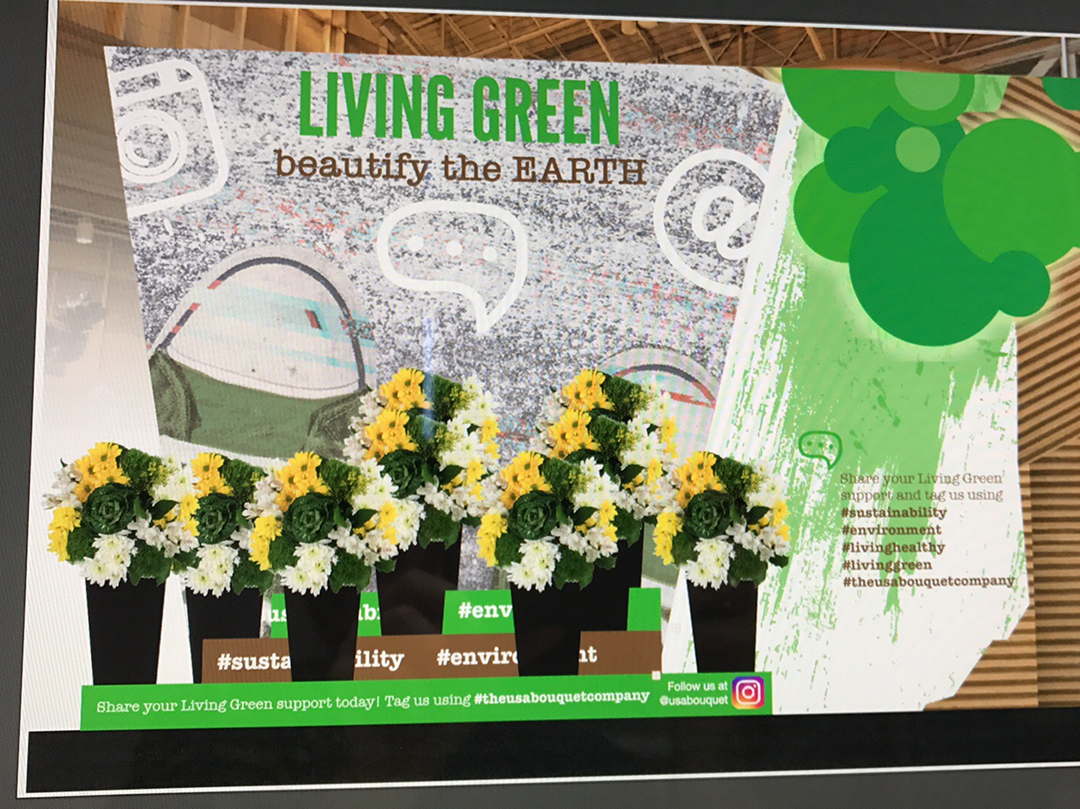
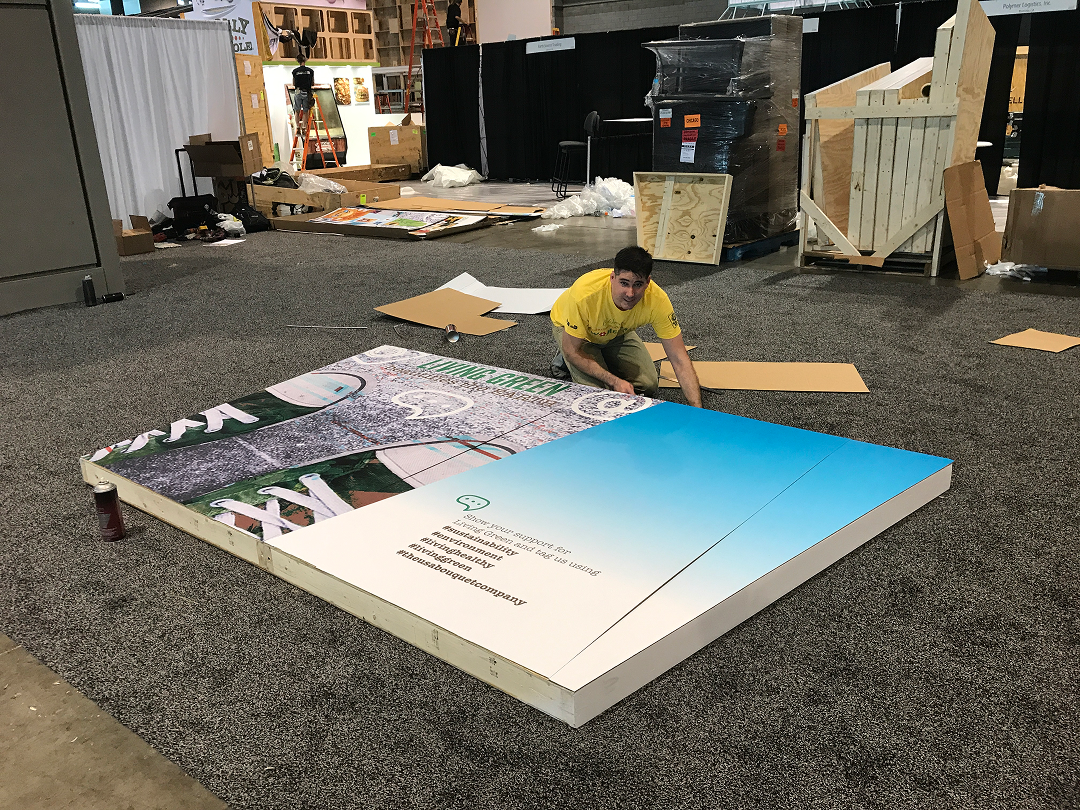
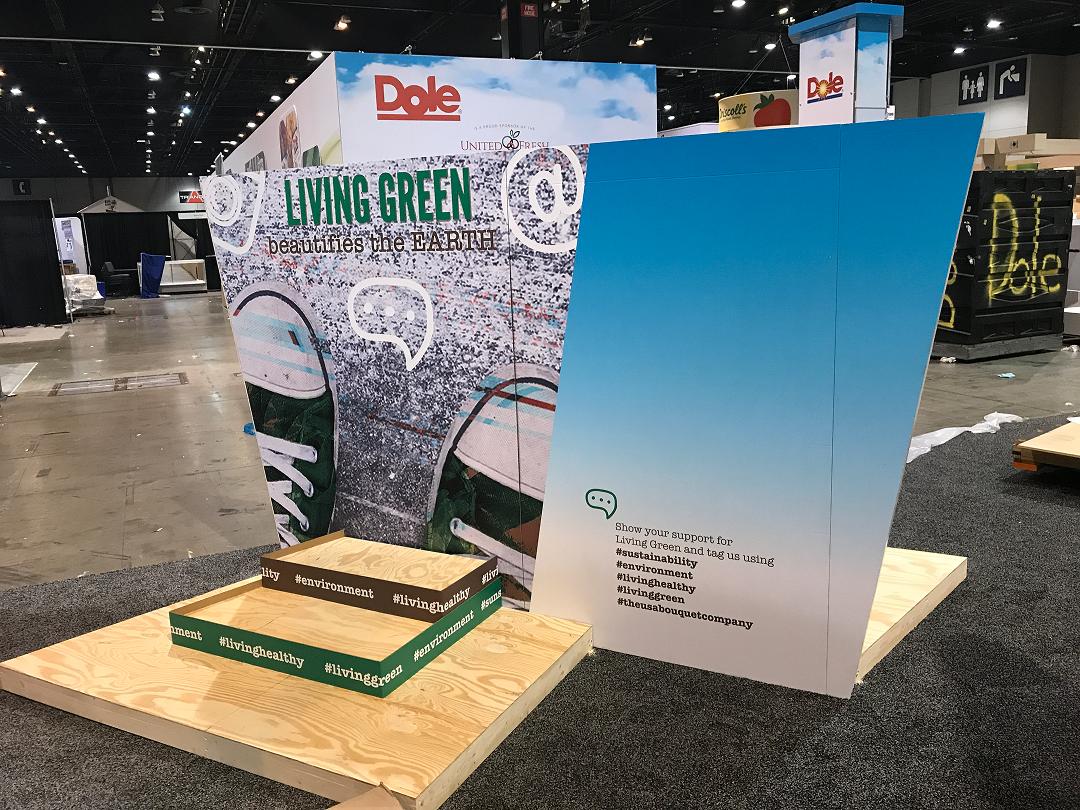
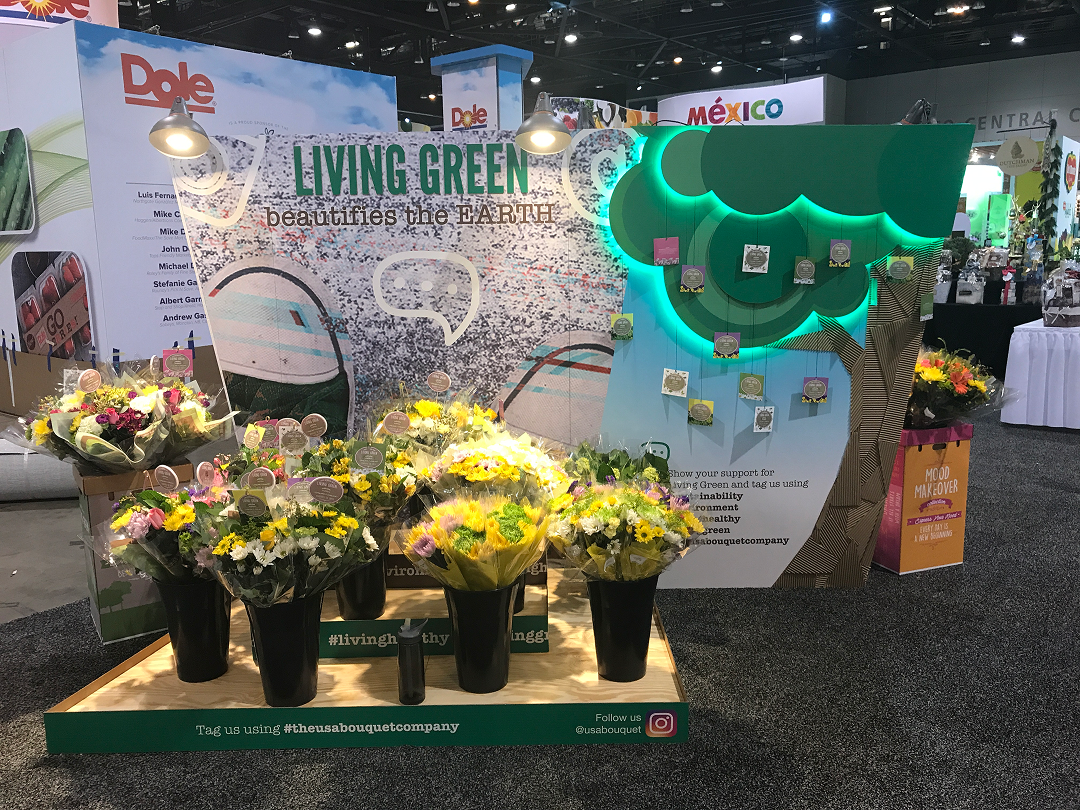
It wasn’t an easy road. I faced old-school, traditional bosses who didn’t understand the creative process and dismissed the results simply because their own aesthetic level didn't allow them to see past the obvious. On top of that, there was a harsh reality: the pay for that role in that industry was terrible. Yet, I never let that dim my dedication.
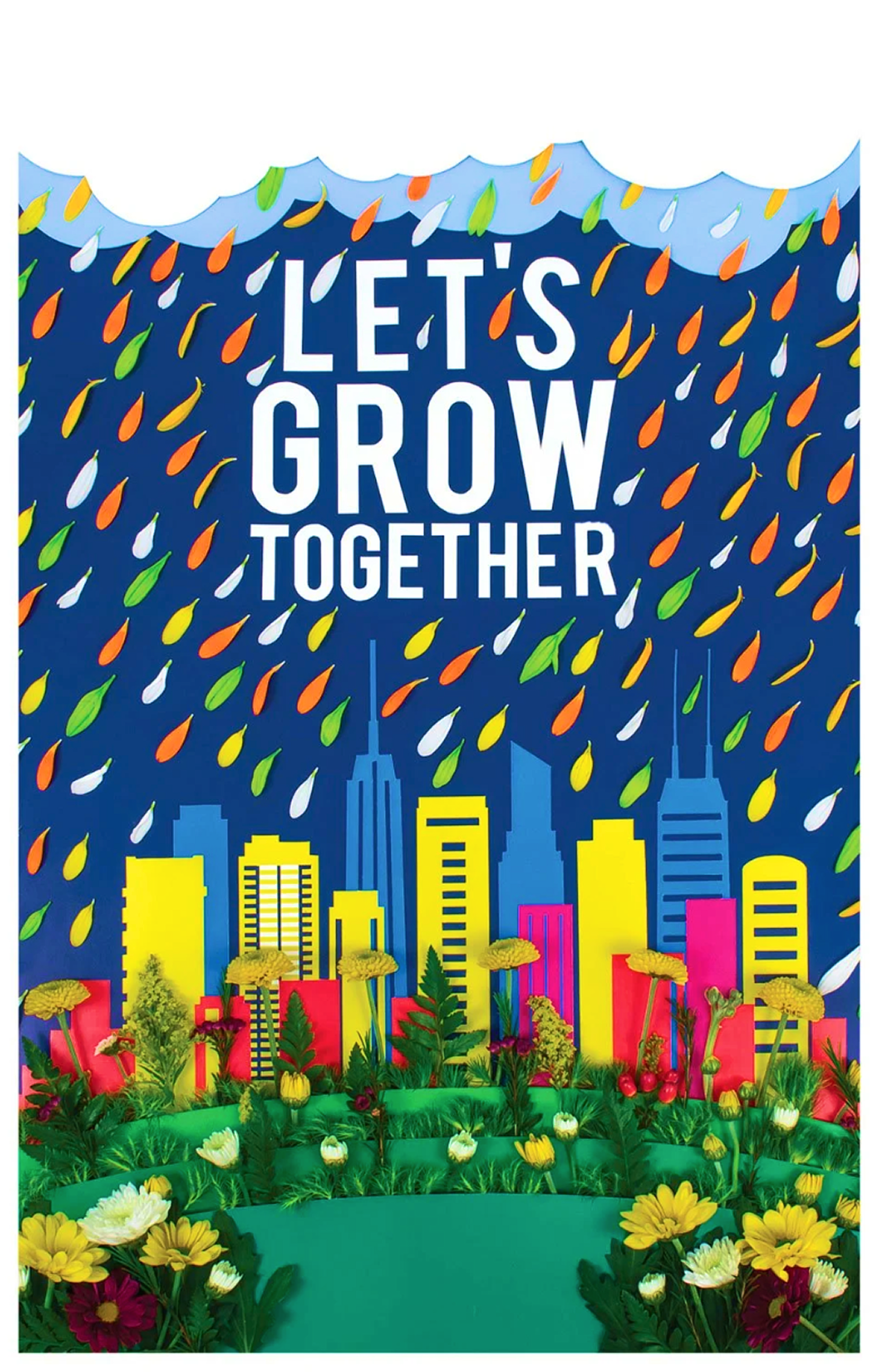
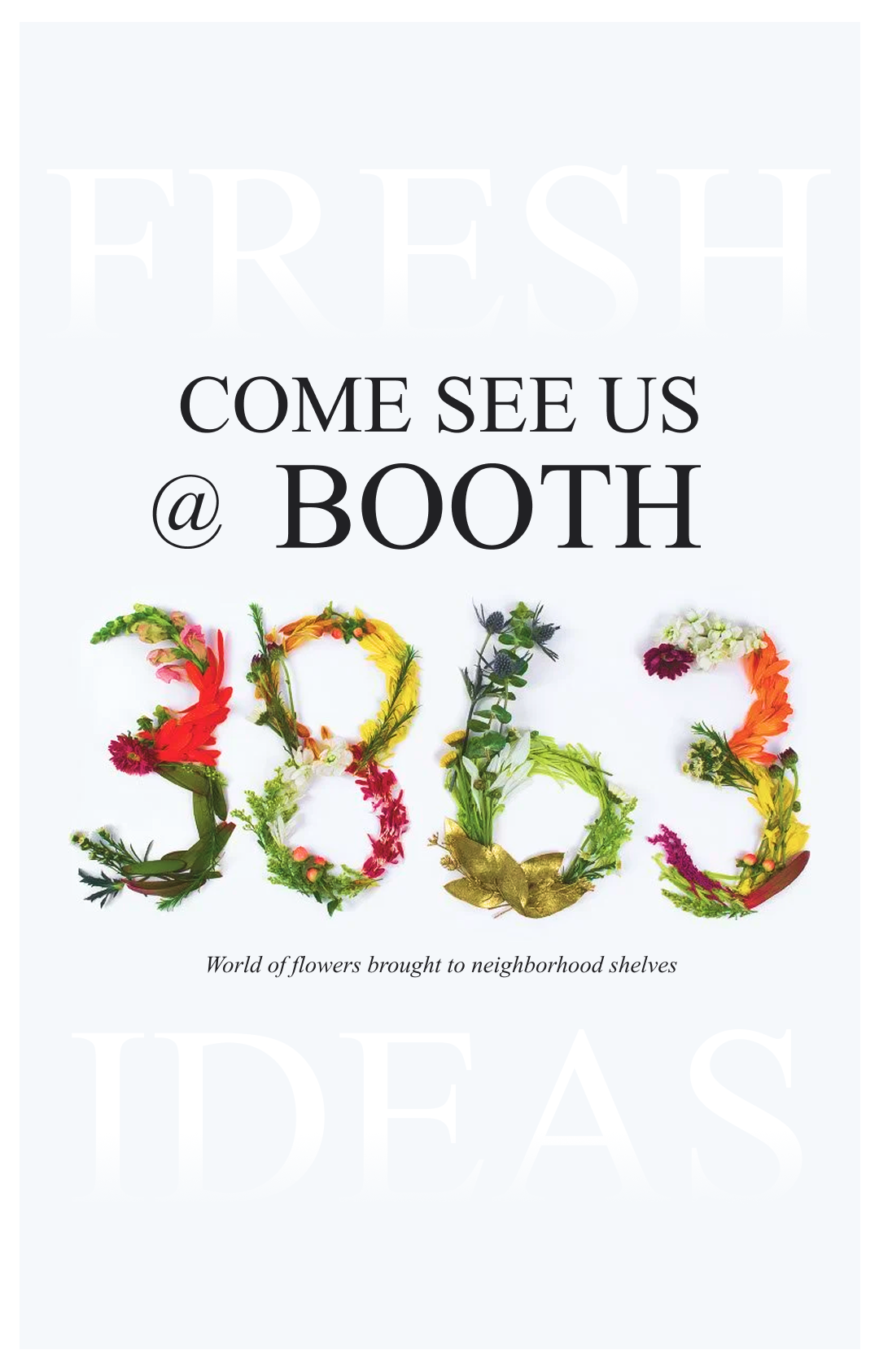
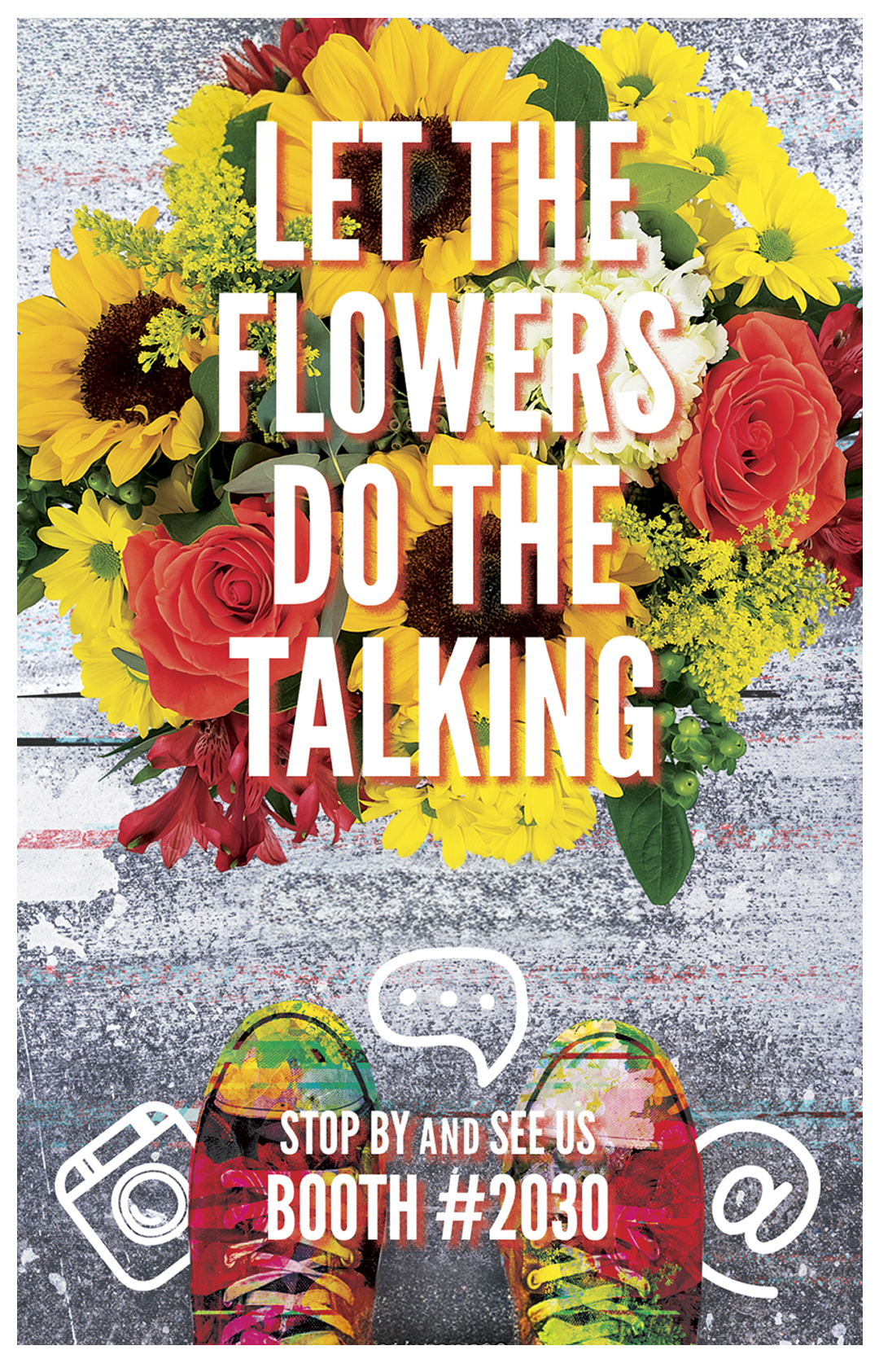
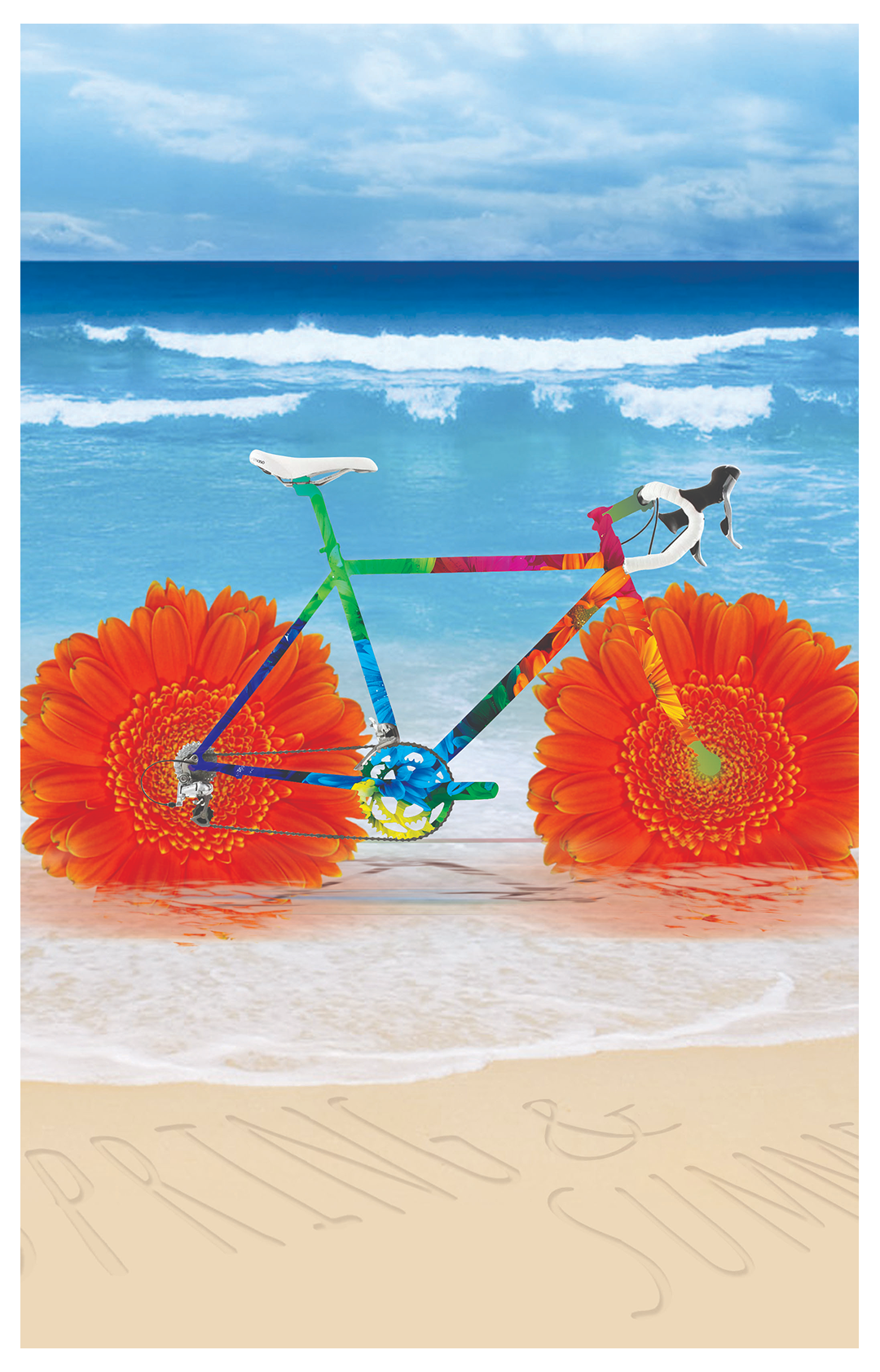
We Love Hue - The Floral Piano concept. (tinted flowers)
Despite the challenges, those were years I thoroughly enjoyed because they shaped me. I learned that you have to embrace the product to truly understand it. Today, my professional path has moved far away from marketing and print. However, I’m left with the joy of having known how to listen to and interpret the language of flowers. I experimented as much as I set out to, and even though I was misunderstood at times, the results spoke for themselves.
Thank you, Lauren Hom, for bringing your inspiration and your words to Config. I am certain that, just like me, many creatives saw a reflection of their own journey in your work and remembered why we chose to embrace this beautiful profession.